



Travelling to Bhutan from Australia offers a remarkable chance to explore a land of serene valleys, soaring Himalayan peaks and a deeply spiritual culture. This Himalayan kingdom is renowned for its pristine landscapes, vibrant festivals and centuries-old Buddhist traditions, creating a travel experience unlike anywhere else. Australian travellers must plan carefully, as all visits require booking through licensed tour operators who manage visas, itineraries and accommodations.
Many visitors choose trusted specialists like Druk Asia, known for crafting seamless and culturally rich Bhutan journeys tailored to Australian travellers. Their expertise ensures a smooth entry process and a well-planned itinerary that aligns with your interests.
This guide provides essential insights on travel costs, the best seasons to visit and suggested itineraries to ensure a rewarding journey. Whether you seek cultural immersion, scenic trekking or peaceful reflection, understanding these practicalities will help make your Bhutan adventure unforgettable, offering memories that last a lifetime.
Understanding Bhutan’s Tourism Policy
Bhutan follows a “High Value, Low Volume” tourism policy, carefully designed to protect its rich culture, pristine environment, and traditional way of life. Travelling to Bhutan from Australia requires arranging your trip through a licensed Bhutanese tour operator, who handles all aspects of your visit, including visas, itineraries, and accommodations.
This approach ensures that visitor numbers remain controlled, allowing travellers to experience the country’s iconic landmarks, festivals, and natural beauty without overcrowding. By participating in this system, visitors not only enjoy safe and immersive travel experiences but also directly contribute to Bhutan’s sustainable tourism initiatives, supporting local communities, conservation projects, and the preservation of the country’s unique heritage for future generations.
Visa and Entry Requirements for Australians
Australian passport holders require a Bhutanese visa to enter the country, but it cannot be obtained independently. Instead, a licensed Bhutanese tour operator or their Australian partner agency handles the entire process on your behalf. The visa procedure generally involves several key steps:
- Submit passport information: Provide your passport details along with a scanned copy to your tour operator.
- Confirm itinerary and payments: Finalise your travel plans, including accommodations and tours, and complete any required payments.
- Receive the visa clearance letter: Bhutan’s immigration authorities issue this essential document, which serves as official permission to enter the country.
- Present documents at the airport: You must show the visa clearance letter both at your departure airport in Australia and upon arrival in Bhutan.
In addition to the visa, travellers are required to pay the Sustainable Development Fee (SDF). This fee contributes to Bhutan’s initiatives in healthcare, education, and environmental
conservation, ensuring that tourism directly supports the wellbeing of local communities and the preservation of the country’s unique heritage.
Costs of Travelling to Bhutan from Australia
Travelling to Bhutan from Australia is often considered a premium experience, reflecting the country’s “High Value, Low Volume” tourism policy. Costs vary depending on the season, trip duration, and accommodation level chosen. Key expenses typically include:
Daily Tariff: Bhutan’s government sets a minimum daily package for international visitors, which ranges from USD 250–300 per person during low season and USD 300–400 in high season. This fee generally covers accommodation in comfortable hotels or guesthouses, all meals, a licensed guide, and transportation within Bhutan. The tariff ensures a well-rounded, immersive experience while supporting local communities and conservation efforts.
Flights: Round-trip airfare from Australia to Paro varies depending on the season and airline, typically ranging between AUD 1,200 and 2,000. Booking early can help secure better rates.
Additional Expenses: While the daily package covers most essentials, travellers should budget for souvenirs, personal activities, optional trekking permits, and occasional tips.Although Bhutan can appear more expensive than other destinations, the costs reflect a high-quality, culturally rich, and sustainable travel experience that prioritises both visitor satisfaction and community wellbeing.
Best Time to Visit Bhutan
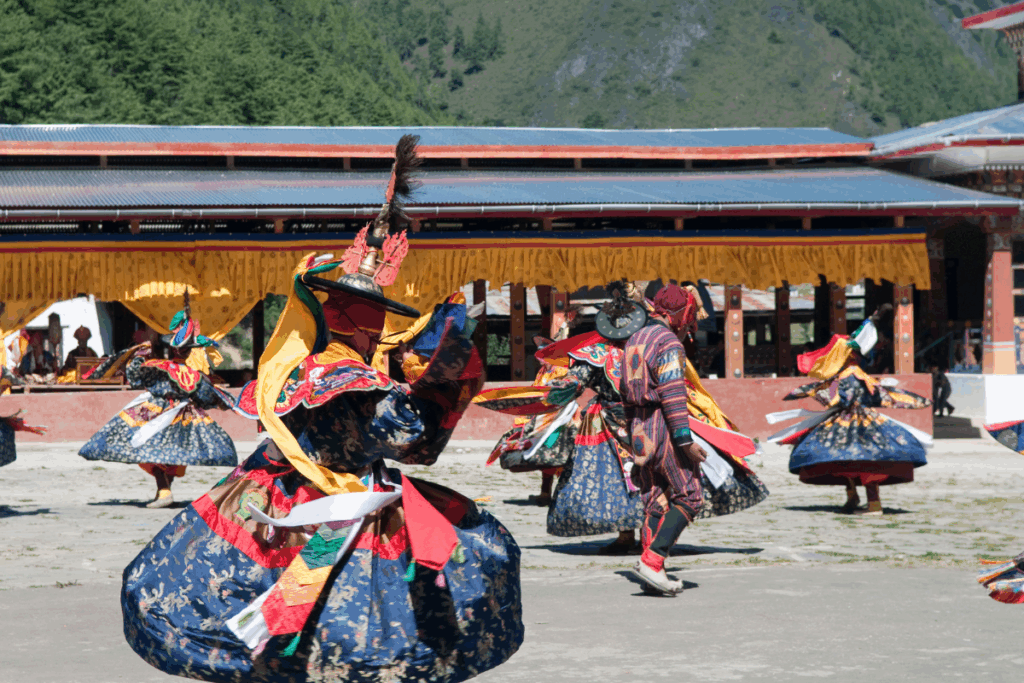
Bhutan’s climate varies significantly with elevation, creating distinct travel experiences throughout the year. Understanding these seasonal differences can help Australian travellers plan their visit for the most rewarding experience:
Spring (March to May): Spring is renowned for its spectacular rhododendron blooms, painting the valleys and hillsides in vibrant colors. The weather is mild and pleasant, making it an ideal season for sightseeing, trekking, and exploring Bhutan’s natural beauty.
Summer/Monsoon (June to August): During the monsoon months, Bhutan’s landscapes become lush and green, with terraced rice fields at their most vibrant. While the rains can occasionally disrupt travel plans, this season is perfect for experiencing the country’s thriving flora and fauna.
Autumn (September to November): Autumn offers clear skies, crisp air, and excellent visibility ideal for photography, trekking, and attending Bhutan’s major festivals. This is one of the most popular seasons for tourists, so early booking is recommended.Winter (December to February): Winter is cold but generally dry, especially in lower valleys, making it perfect for cultural exploration and visiting monasteries. Tourist numbers are lower during this season, allowing for a more peaceful and intimate experience.
By planning your trip around these seasonal variations, you can not only enhance your overall experience but also make informed decisions regarding travel costs, accommodations, and activities.
Suggested Itineraries for Different Trip Lengths
5-Day Itinerary
- Day 1: Arrive in Paro, visit Rinpung Dzong, and stroll Paro town.
- Day 2: Hike to Taktsang Monastery (Tiger’s Nest).
- Day 3: Travel to Thimphu; explore the National Memorial Chorten, Buddha Dordenma, and weekend markets.
- Day 4: Excursion to Punakha; visit Punakha Dzong and Chimi Lhakhang.
- Day 5: Return to Paro and depart.
7-Day Itinerary
Includes the 5-day itinerary with added days in Bumthang for sacred valleys and traditional Bhutanese culture immersion.
10-Day Itinerary
Offers a comprehensive Bhutan experience: Paro, Thimphu, Punakha, Gangtey, and Bumthang, including trekking, village visits, and cultural workshops.
Accommodation Options in Bhutan
Accommodation in Bhutan caters to a variety of preferences, from luxurious retreats to more modest, authentic stays. For travellers seeking indulgence, high-end options like Amankora lodges or COMO Uma Paro offer world-class comfort amid stunning Himalayan scenery. Mid-range travellers can enjoy charming traditional Bhutanese-style hotels in Thimphu and Paro, which combine modern amenities with local architectural aesthetics.
Budget-conscious visitors will find guesthouses in rural areas to be affordable and culturally immersive, providing an authentic glimpse into daily Bhutanese life.
Booking your stay through a licensed tour operator is essential, as it ensures all accommodations comply with Bhutan’s regulations and standards.
This approach guarantees a seamless, safe, and culturally respectful experience throughout your Bhutan journey.
Transportation Within Bhutan
Getting around Bhutan is primarily by road, offering travellers scenic drives through lush valleys and towering mountains. The most common option is a private vehicle with a driver-guide, providing comfort and local insights along the way.
For longer distances, such as Paro to Bumthang, domestic flights are available, saving time while showcasing aerial views of the Himalayan landscape. Shorter routes and nature trails are best explored on foot, allowing a closer connection to Bhutan’s natural beauty. Road conditions can vary, and highland passes may close during winter due to snow, so planning travel routes in advance is essential for a smooth journey.
Cultural Etiquette and Tips
Respecting local traditions is a vital part of travelling in Bhutan, helping visitors connect meaningfully with the culture. When visiting temples and dzongs, dress modestly, covering shoulders and knees, and remove shoes before entering sacred spaces as a sign of reverence. Always ask for permission before photographing local people, as this shows respect and fosters goodwill.
Learning about and observing these customs not only prevents misunderstandings but also enriches your overall experience, allowing deeper engagement with Bhutanese life. By being mindful of local traditions, travellers can enjoy more authentic interactions, meaningful cultural exchanges, and a journey that is both respectful and rewarding.
Must-See Destinations and Attractions
Bhutan is home to a variety of remarkable destinations, each offering a distinctive mix of natural beauty, spirituality, and cultural richness. Paro Taktsang, also known as the Tiger’s Nest, is an iconic cliffside monastery that captivates visitors with its dramatic setting and sacred significance.
Thimphu, the nation’s bustling capital, features vibrant markets, cultural centres, and modern amenities alongside traditional architecture. Punakha Dzong, a historic fortress, impresses with its stunning river views and intricate design.
Gangtey Valley is renowned for its serene landscapes and as a sanctuary for the rare black-necked cranes. Bumthang, often called Bhutan’s spiritual heart, is dotted with ancient monasteries and sacred valleys. Exploring these sites provides a comprehensive glimpse into Bhutan’s unique heritage and breathtaking scenery
Packing Essentials for Bhutan
When preparing for a trip to Bhutan, packing the right essentials is key to a comfortable and enjoyable experience.
Comfortable walking shoes and lightweight trekking gear are indispensable for exploring valleys, monasteries, and hiking trails.
Even in summer, evenings can be surprisingly cool, so warm clothing is recommended.
During the monsoon season, a raincoat or umbrella will keep you dry on wet days. Sun protection is also important, bring sunscreen, sunglasses, and a hat to guard against strong Himalayan sunlight.
A scarf or shawl is essential for temple visits as a sign of respect. Additionally, a refillable water bottle and universal power adapters help you stay hydrated and connected. Thoughtful packing ensures comfort across Bhutan’s diverse climate zones.
Sustainable Travel Practices
Bhutan places a strong emphasis on eco-friendly and sustainable tourism, encouraging travellers to minimise their environmental impact while exploring the country’s pristine landscapes. Visitors are encouraged to use reusable water bottles and avoid single-use plastics, helping reduce waste in remote areas.
Supporting local artisans and markets not only enriches the travel experience but also contributes directly to Bhutanese communities and their traditional crafts. While trekking, it is important to follow established trail guidelines to prevent soil erosion and protect fragile ecosystems.
Respecting wildlife and nature reserves ensures that Bhutan’s biodiversity remains intact. By adopting these responsible practices, travellers play a vital role in preserving Bhutan’s natural beauty and cultural heritage for generations to come.
Sample Budget for a Bhutan Trip
For Australian travellers planning a 7-day journey to Bhutan, budgeting carefully ensures a smooth and enjoyable experience. Return flights typically cost around AUD 1,500, depending on the season and airline. A comprehensive 7-day tour package, which includes accommodation, guided excursions, and transportation, averages USD 2,100 (approximately AUD 3,300). Meals outside the tour package may add another AUD 100, while souvenirs, cultural experiences, and optional activities can total around AUD 200. Altogether, the estimated cost per person comes to roughly AUD 5,100.
Although this may seem premium, it reflects the value of a fully curated itinerary, offering authentic Bhutanese experiences, comfortable accommodations, knowledgeable guides, and the assurance of a seamless, culturally immersive adventure in the Land of the Thunder Dragon.
Travelling to Bhutan from Australia promises an unforgettable experience, where breathtaking landscapes, serene valleys, and majestic Himalayan peaks intersect with rich spiritual and cultural traditions. The journey offers more than sightseeing. It is an opportunity to immerse yourself in a way of life that values mindfulness, community, and harmony with nature.
Careful planning is essential: considering the best time to visit, understanding travel costs, and selecting thoughtfully designed itineraries ensures a smooth and rewarding trip. By arranging your journey through licensed tour operators and respecting Bhutan’s sustainable tourism policies, you can enjoy an enriching adventure that supports local communities, preserves the environment, and allows you to experience the Land of the Thunder Dragon in its most authentic and meaningful form.